Probiotics, Prebiotics, and Gut Support: What Is the Difference?
Probiotics and prebiotics are often mentioned together, but they are not the same thing. Understanding the difference can help people make more informed wellness choices.
Gut support has become a popular topic in wellness, nutrition, and supplement discussions. While the terms can sound technical, the basic idea is simple: different nutrients and ingredients may support digestive balance in different ways.
What Are Probiotics?
Probiotics are commonly described as beneficial live microorganisms. They are found in some fermented foods and in certain dietary supplements.
Examples of probiotic-rich foods may include yogurt with live cultures, kefir, sauerkraut, kimchi, and some fermented drinks. The exact amount and type of probiotics can vary widely by product.
What Are Prebiotics?
Prebiotics are different. They are typically types of fiber or plant compounds that help nourish beneficial bacteria already present in the gut.
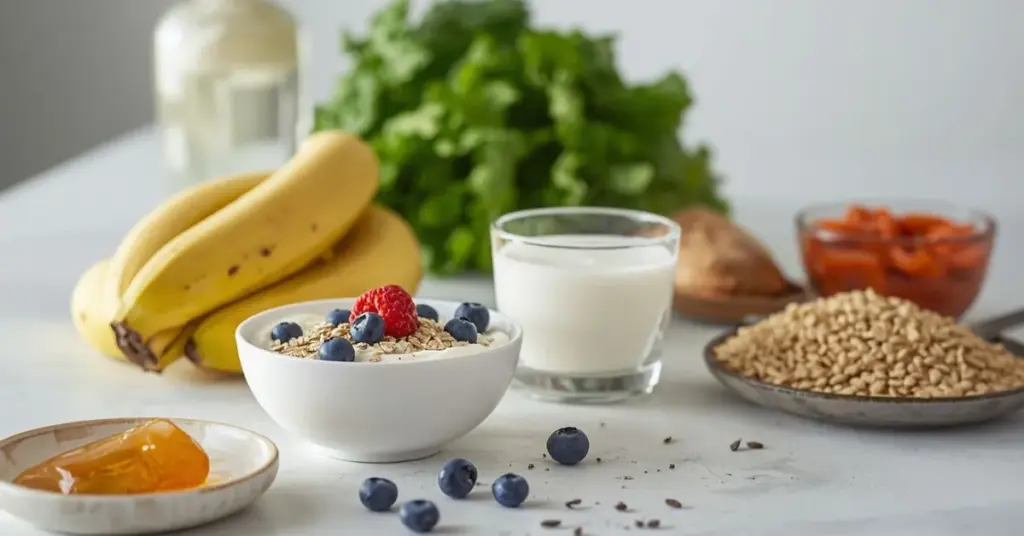
Prebiotic foods may include onions, garlic, bananas, oats, asparagus, legumes, and certain whole grains.
Simple explanation: Probiotics are often described as beneficial bacteria, while prebiotics are food sources that help support those bacteria.
Why Both May Matter
A balanced wellness routine often includes a variety of foods. This may include fermented foods, fiber-rich vegetables, whole grains, and enough hydration.
Some people also choose supplements that include digestive support ingredients. However, supplements should be viewed as one part of a broader routine, not a replacement for good nutrition.
How to Approach Gut Support Realistically
- Start with a varied, whole-food diet.
- Increase fiber gradually if your current intake is low.
- Pay attention to how different foods make you feel.
- Do not expect overnight results from any single product.
- Speak with a healthcare professional if you have ongoing digestive concerns.
Where Supplements May Fit In
Some people consider gut support supplements when their daily routine is not as consistent as they would like. This may include people who struggle to eat enough fiber-rich foods, fermented foods, or varied meals every day.
A supplement should not be treated as a cure or a shortcut. It may be considered as a supportive part of a broader routine that also includes food quality, hydration, movement, sleep, and stress management.
Final Thoughts
Probiotics, prebiotics, and gut support products can all play different roles in a wellness routine. The most important step is understanding what each term means and keeping expectations realistic.
A strong foundation still starts with everyday habits: a varied diet, enough fiber, regular movement, hydration, and consistency.
Disclaimer: This article is for informational purposes only and is not intended as medical advice. Always speak with a qualified healthcare professional before making changes to your diet, supplement routine, or lifestyle.